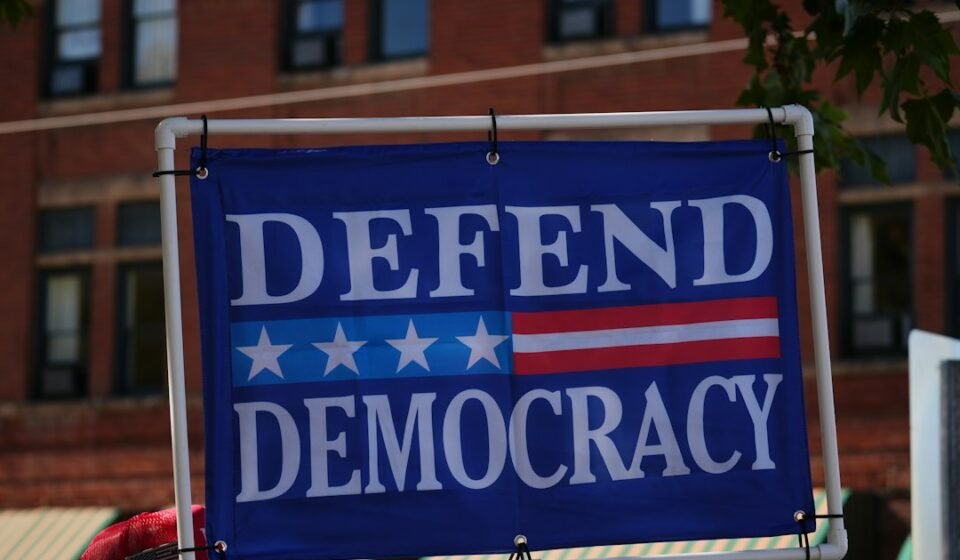
US Voter-Citizenship Checks: Inspired by India’s SIR?
The ongoing debate in the United States regarding voter rolls highlights a focus on ensuring voter eligibility, drawing comparisons with India’s Special Intensive Revision (SIR) process. Spearheaded by Donald Trump, the initiative seeks to verify the citizenship status of American voters, echoing measures in other nations like India and Brazil.
Trump’s Voter Eligibility Plan
Donald Trump advocates for cross-referencing voter databases with citizenship records, comparable to measures undertaken in India. The President suggests that the USA’s reliance on self-declaration for voter registration could benefit from a system akin to India’s Aadhaar-linked voter ID database, despite it being a non-mandatory measure in India.
On September 25, a significant endorsement from the US Supreme Court allowed the Trump administration to offer the federal SAVE database to all states for cross-verifying the citizenship of voters. This contrasts sharply with Trump’s ongoing challenges in securing legislative support for the SAVE America Act, which aims to make proof of citizenship mandatory for voter registration.
India’s Intensive Voter Roll Update
India, the world’s largest democracy, has dealt with similar challenges. The Special Intensive Revision saw the removal of millions of non-eligible entries from its voter list, including deceased individuals and duplicate records. The process has stirred controversy, with critics suggesting potential implications for citizenship, although legal interpretations in India maintain that removal from the voter list doesn’t equate to a loss of citizenship.
Controversies and Criticisms
The parallels between the US and India’s citizenship verification initiatives are striking, especially in the rhetoric used by political figures. Indian officials have reiterated the need for Indian citizenship as a prerequisite for voting. Meanwhile, US officials echo similar sentiments, emphasizing strict consequences for non-citizens attempting to influence elections.
Opposition in India has equated the SIR with the National Register of Citizens (NRC), fearing it primarily targets minority groups, although the ruling government and Election Commission have negated these claims. In the US, Trump asserts that thousands of non-citizens remain on voter rolls in Democrat-led states, though evidence remains scant.
Comparative Challenges
The differences between US and Indian systems underscore unique challenges. India’s central election oversight contrasts with the decentralized nature of US elections, where states individually manage and verify their voter rolls. The US’s SAVE database facilitates a more streamlined federal approach, yet state autonomy remains a significant hurdle.
Both countries grapple with balancing secure, legitimate elections while respecting civil liberties. As these initiatives unfold, the need for transparent, fair processes remains paramount to ensure public trust in electoral outcomes.
Photo by Donald Teel on Unsplash