US Restricts Fiji-Based Leader for Corruption Linked to China
US Implements Entry Ban on Fiji-Based Leader over Corruption Allegations
In a significant diplomatic move, the United States has barred Zhao Fugang, a prominent figure based in Fiji, citing corrupt practices that allegedly benefit Chinese interests. Zhao, associated with the Overseas Chinese Service Center, has been accused by the US Department of State of offering bribes to local individuals in Fiji to further the aims of Chinese governmental, business, and criminal entities.
This decision, announced through a State Department press release, marks a decisive action against activities deemed to undermine US influence in the Pacific region. Zhao and his immediate family are now generally barred from entering the United States, a measure showcasing the US’s firm stand against corruption related to Chinese influence.
Concerns of Increasing Influence in the Pacific
These developments come amid growing concerns about China’s expanding footprint in the Pacific Islands. The US embassy in Suva, Fiji’s capital, highlighted that Zhao’s activities have left the country susceptible to foreign manipulation, allegedly facilitated by ties with Chinese governmental and criminal affiliates. Such actions are seen as part of a broader pattern of influence across the Pacific region, which has been reported to include various similar cases.
While Beijing claims that the Overseas Chinese Service Centers primarily assist Chinese nationals abroad with routine administrative tasks, such as renewing driving licenses, rights organizations argue otherwise. There is an ongoing assertion that these centers serve as mechanisms for exerting Beijing’s influence and suppressing dissent.
Historical Context and Wider Implications
This is not an isolated incident. Back in February, US authorities targeted leaders from other Pacific island nations, like the Marshall Islands and Palau, for similar allegations of corruption tied to China. Such actions illustrate a continuing trend of US response to perceived challenges of Chinese geopolitical influence in strategically significant regions.
The incident with Zhao Fugang highlights ongoing diplomatic tensions, accentuating the challenges faced by nations in the Pacific region as they balance relationships with larger global powers. This US decision is a clear message that actions believed to destabilize US interests or enhance adversarial influence will meet with official opposition.
As these geopolitical dynamics unfold, the Pacific region remains a focal point for international scrutiny and strategic negotiations, affecting both regional stability and broader international relations.
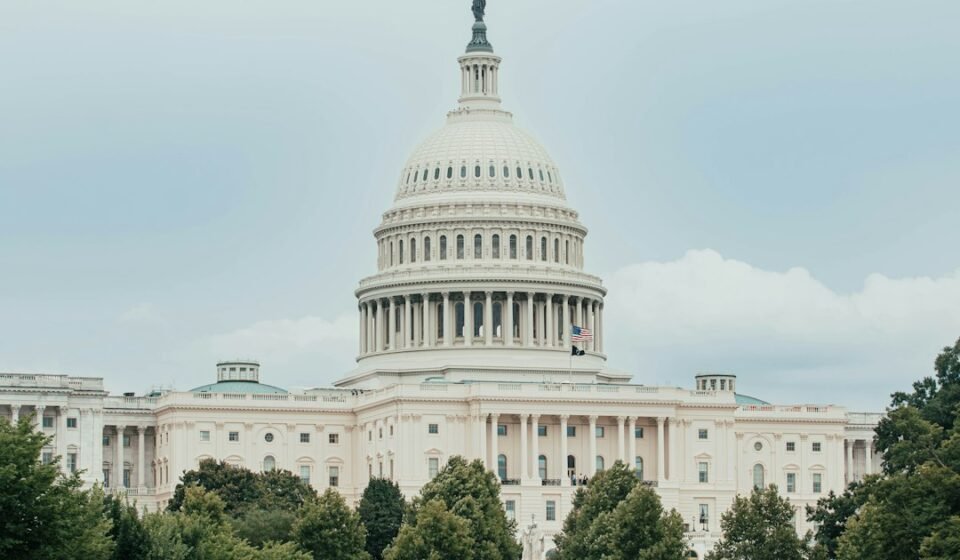
Photo by Connor Gan on Unsplash