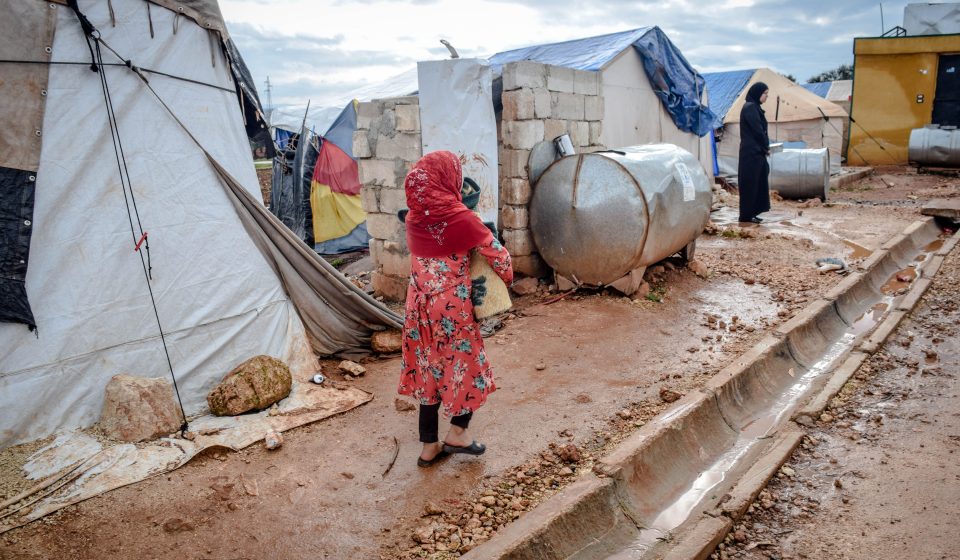
Unequal Impact: Women and Girls Face Humanitarian Crisis Amid Aid Cuts
According to a recent report by UN Women, over **one million women and girls** have lost access to vital humanitarian support since **January 2025**, as unprecedented reductions in aid jeopardize women’s organizations in crisis zones. The report, titled **Beyond the Breaking Point**, highlights that necessary services for women and girls are being cut just when global humanitarian needs are peaking.
Currently, around **120 million** women and girls across the globe require humanitarian assistance. However, local women’s organizations, which are best equipped to provide this support, are facing acute funding shortages, often in areas international agencies cannot reach.
“Every dollar withdrawn from women’s organizations is a dollar withdrawn from survivors of conflict-related sexual violence, displaced mothers, girls forced from school, and communities struggling to survive,” stated **Sofia Calltorp**, Chief of Humanitarian Action at UN Women.
UN Women emphasizes that organizations and partners are being compelled to cut services precisely when they are most crucial.
Key Findings
The report is based on insights from **855 women-led organizations** across **52** countries affected by crisis and conflict. Here are some alarming findings:
- At least **one million** women and girls have lost vital support as a direct consequence of the steepest annual decline in aid ever recorded.
- Nearly **90%** of organizations can no longer meet current demand levels, while **84%** indicate a surge in service requests.
- The most vulnerable populations are being hit hardest, with **63%** of organizations reporting service reductions in remote, difficult-to-access areas.
- Gender-based violence is on the rise, with **86%** of organizations observing increased incidents; **62%** report closures or reductions of safe spaces.
- One in five organizations has suspended initiatives aimed at promoting women’s leadership and gender equality, worsened by drastic funding cuts.
Working Without Pay
Many women leading these humanitarian efforts are themselves affected by conflict or displacement, yet continue their work despite scarce resources. Nearly **two-thirds** report that staff are working without compensation to maintain essential services.
Simultaneously, close to **50%** express that staff burnout is escalating, and **88%** observe deteriorating mental health among the women and girls they serve.
Impact on Communities
The ramifications of this funding crisis are becoming evident across crisis-affected communities. **Half** of the surveyed organizations have instituted waiting lists or are turning away women and girls due to unmet demand.
In addition, **92%** report increasing poverty levels among the women they assist, and **82%** are witnessing more girls leaving school.
Beyond statistics, heartbreaking stories exist, such as exhausted women arriving at now-closed shelters, pregnant individuals traveling long distances for healthcare, and mothers unable to feed their children.
Broader Implications
UN Women cautions that the repercussions extend beyond the immediate humanitarian disasters. The decline of women’s organizations not only hampers direct assistance but also weakens efforts to enhance women’s leadership in community decision-making. More than **half** of surveyed organizations report a drop in women’s participation in local leadership roles.
The organization stresses the crucial need for sustained investment in women’s groups, describing them as essential first responders and defenders of women’s rights, as well as pivotal partners in recovery and peacebuilding.
“Without immediate action, the organizations that have kept women and girls alive through the world’s worst crises risk becoming another casualty of war,” concluded Ms. Calltorp.