Press Club Condemns Jantar Mantar Incident Restricting Journalists
The recent disturbance at Jantar Mantar has drawn significant criticism from the Press Club, which expressed grave concerns over the treatment of journalists at the scene. The Club voiced its astonishment and disappointment following police actions that allegedly restricted media personnel from freely doing their jobs.
Incident Under Scrutiny
The situation unfolded as journalists attempted to cover events at Jantar Mantar, a prominent location for protests in India. Reports suggest that several media professionals faced obstacles from law enforcement officers while trying to report live from the scene. This has sparked a larger debate on press freedom within the country, drawing harsh comments from media rights organizations and journalists’ associations.
Press Club Statement
In an official statement, the Press Club condemned the actions taken against journalists, highlighting the essential role of a free press in a democratic society. The organization stressed that hindering reporting efforts undermines both journalism and the public’s right to be informed about issues of national importance. Emphasizing this role, the statement called for unobstructed access for journalists covering events of public interest.
International Attention
The incident has not only stirred domestic debates but has also caught international attention. Various global media watchdogs have weighed in, advocating for the protection of journalistic activities. The issue reflects broader concerns about press freedom in India and whether current practices align with democratic values.
Call for Action
Amid growing pressure, advocates are urging authorities to take steps ensuring such restrictions do not recur. They propose specific guidelines to protect journalists, especially during high-tension events like protests. Furthermore, this incident strengthens calls for systemic changes to safeguard the functioning of the Fourth Estate.
The leadership at Jantar Mantar appears crucial not only in terms of immediate response but also in addressing the underlying issues that have turned this episode into a touchpoint for larger discussions on media freedoms.
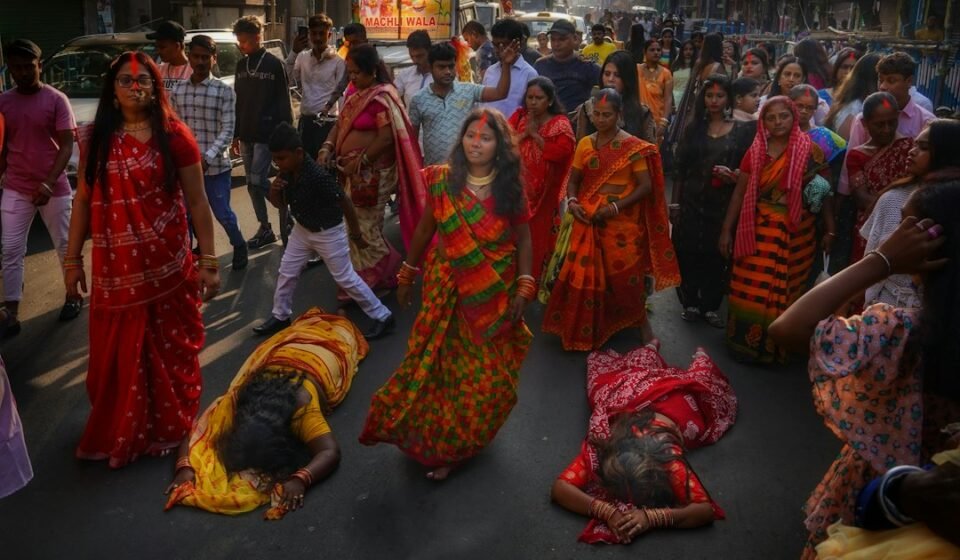
Photo by Dibakar Roy on Unsplash