Indonesia Deploys Dry Ice to Combat Toxic Haze from Wildfires
Indonesia’s Innovative Approach to Tackle Toxic Haze
Indonesia is facing severe environmental challenges as wildfires rage across its forests and peatlands, prompting officials to seek innovative methods to clear the resulting toxic haze. The situation has been intensified due to a robust El Niño effect, leading to extended drought conditions and making it difficult to control the flames.
In an unprecedented step, authorities experimented on Thursday with dispersing dry ice from an aircraft to mitigate the smog blanketing South Sumatra, one of the most affected regions. This approach, differing from traditional cloud seeding, involves dropping solid carbon dioxide into the atmosphere to help break up the lower-level haze.
Efforts to Alleviate Haze Spread
The trial involved distributing 1.5 tons of dry ice in an effort to encourage the haze to disperse upwards rather than blanket the ground. If proven successful, this technique could be expanded to other impacted areas such as Central Kalimantan.
While dry ice has taken the spotlight, traditional cloud seeding continues across affected regions, including neighbouring Malaysia. These operations aim to induce rain by spraying cloud formations with compounds that promote condensation. This method has been in practice for several weeks to counteract the worsening air quality.
Responses to the Fire Crisis
In response to the environmental crisis, Indonesian President Prabowo Subianto has called for an escalation in firefighting and haze reduction measures. Across Kalimantan and South Sumatra, efforts include deploying helicopters and extensive firefighting teams. However, operations have often been hampered by the limited visibility caused by the dense haze.
As air quality deteriorates, residents in the worst-affected areas face significant health risks, with the smog also spreading to Singapore and Malaysia. These conditions have prompted Malaysian authorities to initiate their own cloud seeding in affected zones, including in Kuala Lumpur and Johor Bahru, as they aim to curb the health impact of low air quality ratings.
Controversies and Accountability
Public anger is rising towards agricultural companies accused of using illegal slash-and-burn techniques for land clearing, which contribute to the fires. Indonesian police have identified over 200 individuals and nine corporations for their potential roles in aggravating the situation. The widespread devastation has resulted in over a million recorded wildfire hotspots and approximately 900,000 hectares of land scorched this year alone.
The haze crisis highlights the urgent need for regional cooperation and innovative solutions as countries struggle to manage environmental repercussions and health risks caused by rampant wildfires.
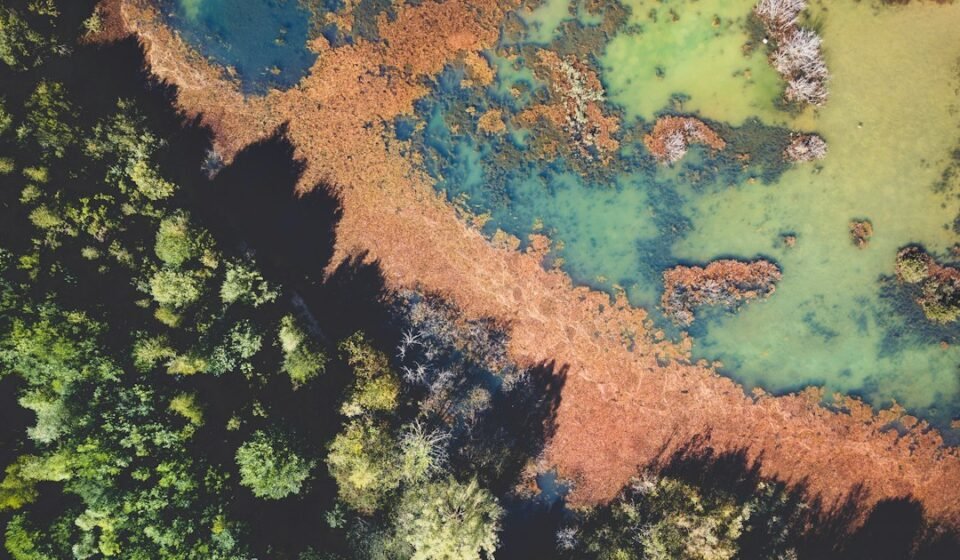
Photo by Ivan Bandura on Unsplash