India’s Drone War on Drugs: A New Frontier in Narcotics Control
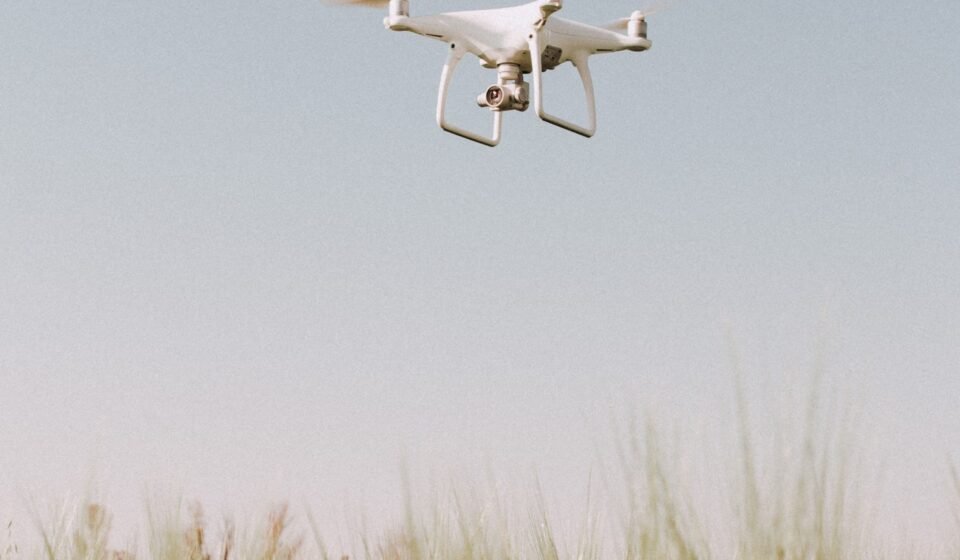
NEW DELHI: The battle against drug trafficking in India has taken to the skies, reflecting a dramatic transformation in tactics required to combat increasingly sophisticated methods of smuggling. A recent report highlights a remarkable 100-fold increase in drone-related trafficking incidents over the past five years, posing a significant challenge for security agencies.
According to the annual Narcotics Control Bureau (NCB) data for 2025, unveiled by Union Home Minister Amit Shah, there were a record 305 drone-related cases, leading to the confiscation of 468 kg of high-purity contraband. This alarming trend has effectively turned the skies over Punjab into a crisis zone that is evolving rapidly.
The figures indicate a staggering 98% increase in the amount of contraband seized compared to the previous year, with drone incidents skyrocketing from just three recorded cases in 2021.
Punjab: The Heart of Aerial Drug Trafficking
The India-Pakistan border is at the center of this aerial drug trafficking surge, with Punjab alone accounting for 298 of the 305 drone incidents. These operations predominantly involve high-purity heroin and methamphetamine.
Additionally, the illicit diversion of pharmaceutical drugs has surged by 77% between 2021 and 2025, peaking at an astonishing 2,43,111 kg before slightly declining to 2,37,390 kg in recent reports.
Punjab has become a hotspot for what is being described as a “second wave” of substance abuse, leading all Indian states with an incredible seizure of 8,95,508 bottles of codeine-based cough syrup. The illegal distribution of other substances such as buprenorphine, tramadol, and alprazolam is also rampant.
Ongoing Challenges in Land-Based Smuggling
While aerial surveillance and monitoring have improved, traditional land-based smuggling methods via courier and postal services continue to pose significant challenges. Although the number of land-based incidents has stabilized at 174, the volume of confiscated contraband from postal channels reached 972 kg.
The NCB has also pointed to the alarming rise in clandestine synthetic drug laboratories, dismantling 30 secret labs this year alone—exceeding the combined total of the previous three years—and arresting 102 individuals in the process. These labs, primarily located in Maharashtra, Rajasthan, and Madhya Pradesh, were predominantly producing mephedrone, ephedrine, and various illicit psychotropic tablets.
Strategic Responses and Financial Crackdowns
In response to the expanding drug networks, authorities have broadened their strategies significantly, focusing on international networks and the financial foundations supporting these cartels. Thus far, 747 foreign nationals have been arrested in connection with drug trafficking, with the highest numbers from Nepal (203), Nigeria (146), and Myanmar (97).
Moreover, the NCB has pivoted from simple physical interdictions to a “follow-the-money” enforcement approach. Financial investigations surged to 1,356 cases, successfully freezing or seizing a historic Rs 836 crore in cartel assets—an immense rise from the Rs 164.93 crore seized five years ago.
This financial clampdown is bolstered by the strategic application of the PITNDPS Act, resulting in a more than sevenfold increase in preventive detention orders targeting high-level financiers and kingpins. A total of 810 detention orders have been issued, signifying a systemic shift focused on dismantling the economic infrastructure of organized crime.