Community Efforts Revitalize Argentina’s Reconquista River
Local Activists Lead Reconquista River Cleanup
In Argentina, the community near the Reconquista River is embarking on a mission to rehabilitate one of the country’s most polluted waterways. This initiative, led by local activists such as María Monges, aims to address the terrible state of the river, which is heavily contaminated with various waste types, including industrial residues and sewage.
The Reconquista River, stretching for 82 kilometers through Buenos Aires and covering 18 municipalities, serves as a critical basin accommodating millions. However, this vital waterway has long been facing environmental challenges due to unregulated waste disposal practices from both households and industrial plants. The local administrative infrastructure has historically been inadequate, complicating efforts to keep the river clean.
Monges, who spearheaded the environmental movement in the San Martín district, established a cooperative named 9 de julio. This team dedicates weekdays to extracting waste from the streams leading to the Reconquista. Despite continuous efforts, the persistence of pollution suggests that a broader understanding and change in community behavior are needed.
Women at the Forefront of Environmental Change
Women have been instrumental in driving the empowerment and environmental awareness within this local campaign, according to Natalia Gavazzo, a researcher at the National Scientific and Technical Research Council. Her project, Migrantas en Reconquista, highlights how women not only endure the direct environmental impacts but also play a decisive role in mitigation strategies. Their involvement is crucial for nurturing sustainable solutions within the community.
The plight of the Reconquista is emblematic of a larger issue affecting the La Plata basin, connecting numerous water bodies in Argentina and Uruguay. This network has suffered from lower-than-average water levels due to prolonged droughts, a situation exacerbated by climate change. Such conditions contribute to the challenges faced by the river systems, adversely impacting regional ecology.
Former hydrologist Juan Borús advocates for a targeted governmental approach to treating each pollutant source distinctly. Addressing local industrial discharges and residential waste management simultaneously could significantly reduce the strain on aquatic environments like the Reconquista.
A Global Call for Action
The environmental preservation efforts at the Reconquista River are not just about localized improvements. They reflect the broader global need to tackle pollution and climate effects on vulnerable river systems. As Gavazzo notes, although emissions predominantly originate in the global north, their impacts are disproportionately felt in the southern regions, underscoring the crucial need for international collaboration and equitable action plans.
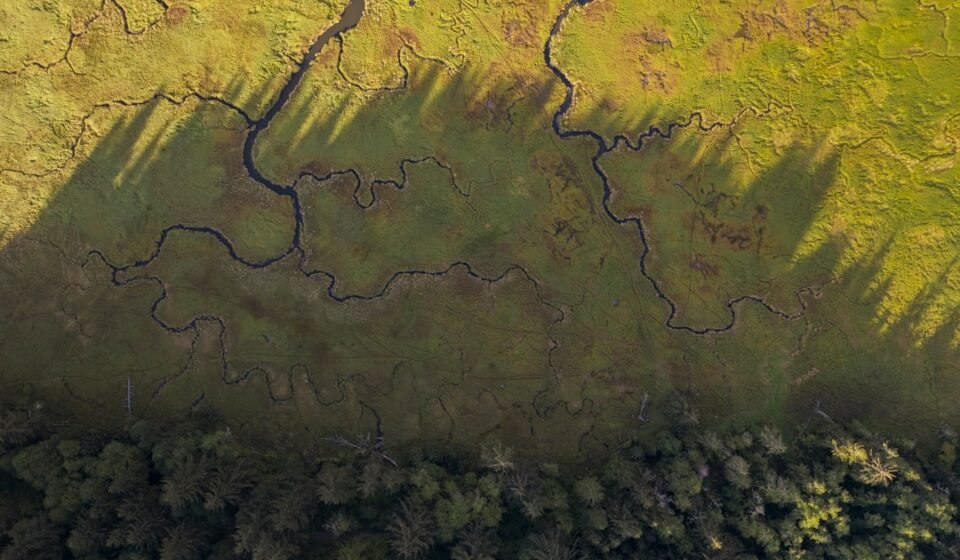
Photo by Dan Meyers on Unsplash