AfD’s Electoral Win in Saxony-Anhalt Sparks Crisis Talks in Germany
Shock Victory for AfD in German State Triggers Crisis Talks
The recent electoral triumph of Germany’s Alternative for Germany (AfD) in Saxony-Anhalt has sent ripples across the political landscape, leading to emergency meetings among the country’s leadership. Despite failing to achieve a majority, the far-right party’s impressive performance is being viewed as a significant political shift.
Chancellor Friedrich Merz, reacting swiftly to the development, has reportedly initiated crisis consultations to assess the outcome’s implications and possible strategic responses. The AfD’s performance is not merely a local occurrence but a potentially disruptive precedent for future elections across Germany.
Electoral Outcome Stirs Political Controversy
Though the AfD fell short of an outright majority, the result is significant enough to spark concerns among mainstream parties. The AfD now finds itself in a position to influence policy direction in Saxony-Anhalt, with potential implications for national politics. This has raised debates in political circles about the factors contributing to the rise of far-right ideologies.
Notably, the AfD’s leadership hailed the election outcome as a “dream result,” which aligns with their ambitions for future national influence. Some commentators have pointed out that the party’s growing popularity may be attributed to voter disillusionment with traditional political entities, resulting in a shift towards what some perceive as more radical alternatives.
European and Global Reactions to AfD’s Success
The developments in Saxony-Anhalt have attracted attention beyond Germany’s borders, with European leaders expressing apprehensions about the AfD’s gains. Observers suggest that this could reflect broader continental trends towards nationalistic politics, paralleling other global shifts.
Adding an international dimension, Russian political figures acknowledged the AfD’s success as a historic win, hinting at existing sympathies towards Russian-aligned policies. This aspect of the AfD’s platform has only intensified debates within Europe about foreign influence in domestic politics.
With the AfD continuing to gain traction, questions loom about how Germany will navigate this evolving political landscape. The present electoral result is seen as a crucial indicator ahead of the 2027 general elections, requiring traditional parties to reassess strategies to captivate and retain voter confidence.
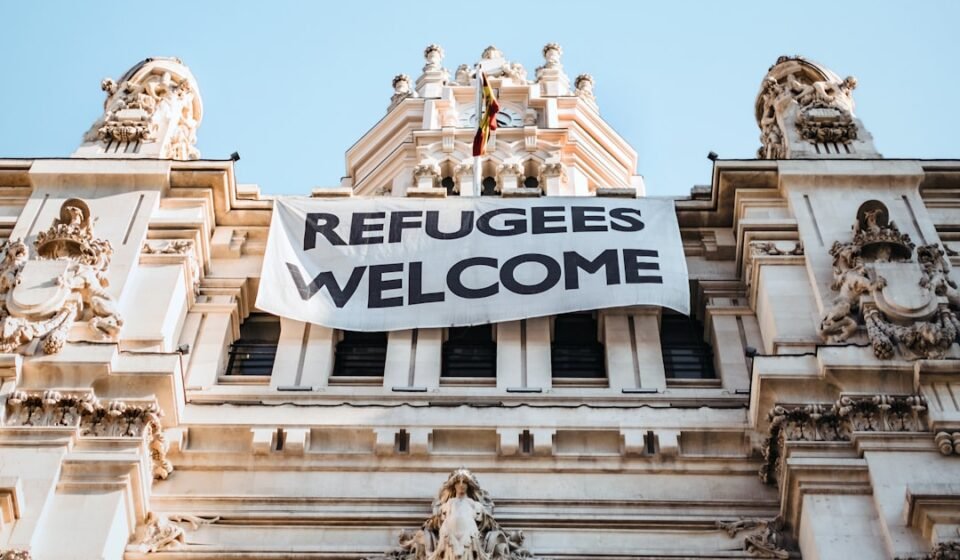
Photo by Maria Teneva on Unsplash