Sri Lankan Court Readies Verdict on Easter Sunday Bombings
Impending Verdict in Sri Lanka on Easter 2019 Attacks
A significant legal decision is impending in Sri Lanka, as a court is set to provide its verdict on 24 individuals accused of orchestrating one of the nation’s most devastating attacks—the 2019 Easter Sunday bombings. These attacks tragically resulted in the loss of 270 lives and left over 500 individuals injured at several churches celebrating Easter mass and high-end hotels.
The primary figure on trial is Naufer Moulavi, identified by authorities as the principal orchestrator of the attack. Even though the prosecution secured a confession, allowing the court to accept it into evidence, Moulavi later dismissed the document, stating he was unaware of its contents when signing. Claims of being denied access to his legal team have been a part of the defense narrative.
Extensive Legal Proceedings and Evidence
This high-profile case encompasses over 23,000 charges, including murder and conspiracy to commit terrorism against those tied to the events, with nine suicide bombers’ associates and relatives among the accused. The breadth of evidence brought forward by the prosecutors is vast, featuring testimony from more than 2,300 witnesses and tangible items like firearms, explosives, and swords.
Despite the spread of these meticulously coordinated bombings, a significant intelligence oversight by Sri Lankan authorities was cited during subsequent inquiries. The national parliament was informed of a precise warning from India, which had not been properly disseminated. Resultantly, the Sri Lankan Supreme Court deemed former President Maithripala Sirisena accountable for lapses in national security and ordered him to compensate the victims significantly.
Ongoing Investigations and Demonstrations
The current trial verdict coincides with a separate investigation involving former intelligence chief Suresh Sallay. Sallay has been accused of collaborating with Islamic extremists to orchestrate the bombings, a claim he firmly denies. Allegations suggesting these attacks served to bolster the political ambitions of the Rajapaksa family resurfaced in a documentary, igniting further public outcry.
The aftermath of these attacks continues to resonate deeply within the country. Protests have been a constant fixture as Sri Lankans seek accountability and justice for the victims. Additionally, two senior officials recently received death sentences, albeit with the expectation of commutation to life sentences, due to Sri Lanka’s longstanding moratorium on executions.
This widespread demand for justice has also included legal action against former president Gotabaya Rajapaksa, seeking clarification over his role in the events leading up to the bombings. Awaiting this critical court decision, Sri Lanka stands at a crossroads of seeking justice, accountability, and closure for its citizens.
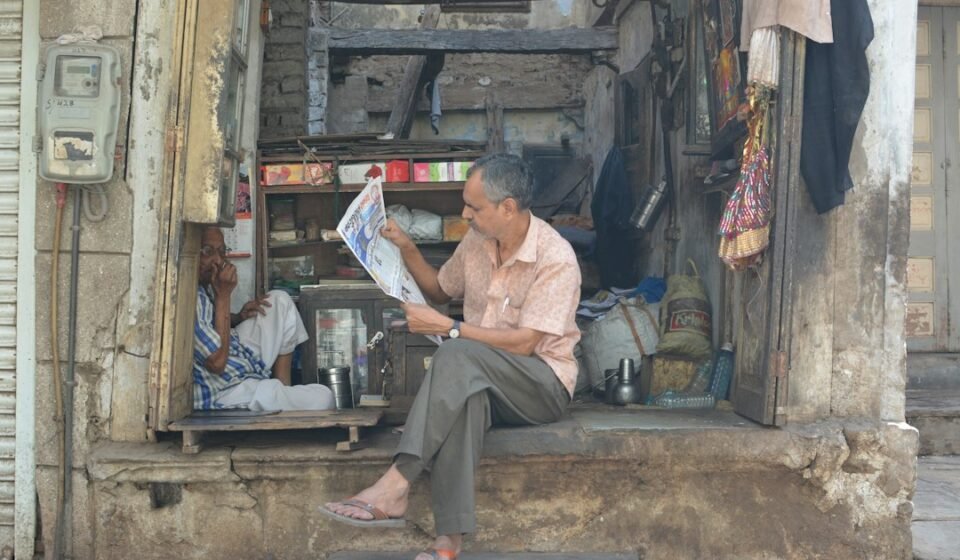
Photo by Saman Me Kala on Unsplash