Trá Pháidín Reinvents Folk with ‘Cloch’s Claí’
Trá Pháidín: Redefining Folk Music with ‘Cloch’s Claí’
Trá Pháidín, a dynamic group hailing from Galway, has taken a bold step in reshaping the landscape of folk music with their latest release, ‘Cloch’s Claí’. This exciting six-member ensemble skillfully blends elements of traditional Irish sounds with unexpected musical influences, offering a refreshing take on modern folk.
The album opens with ‘Tí Mhichael Phaddy’, a track that seamlessly marries reverb-soaked guitars with ethereal flutes, evoking an idyllic rural setting. Adding a playful twist, the music is interrupted by an Irish woman extolling the virtues of her countryside Airbnb, only to be comically interrupted by a local.
Named after the Irish term for a dry stone wall, ‘Cloch’s Claí’ symbolizes the individuality of each track, each contributing a unique sound to the album’s structure. The 45-minute offering is a journey through various genres, masterfully tied together despite their apparent differences. Tracks like ‘Garbhóg’ introduce mariachi influences and driving motorik beats, while ‘Fothrach an Cheirtleáin’ channels a somber, introspective vibe.
The lyrics are equally striking, delivering vibrant stories with a touch of satire, reminiscent of the rebelliousness found in artists like Kneecap. For instance, ‘An Béal Bocht’, named after a parody Gaelic poverty memoir, uses rhythmic prose to critique societal issues. ‘Seachtain na Gaeilge’ further sharpens the album’s wit, juxtaposing poetic descriptions of Irish heritage with humorous English translations that poke fun at clichéd tourism language.
In their engaging compositions, Trá Pháidín doesn’t shy away from self-reflection, as shown by their humorous admission of being an Irish-speaking band that sometimes slips into English. This clever, self-aware approach adds an unexpected layer of joy and introspection to their music.
Overall, ‘Cloch’s Claí’ not only challenges conventional folk music but also paves new paths for its evolution, inviting listeners to explore and reinterpret the boundaries of the genre.
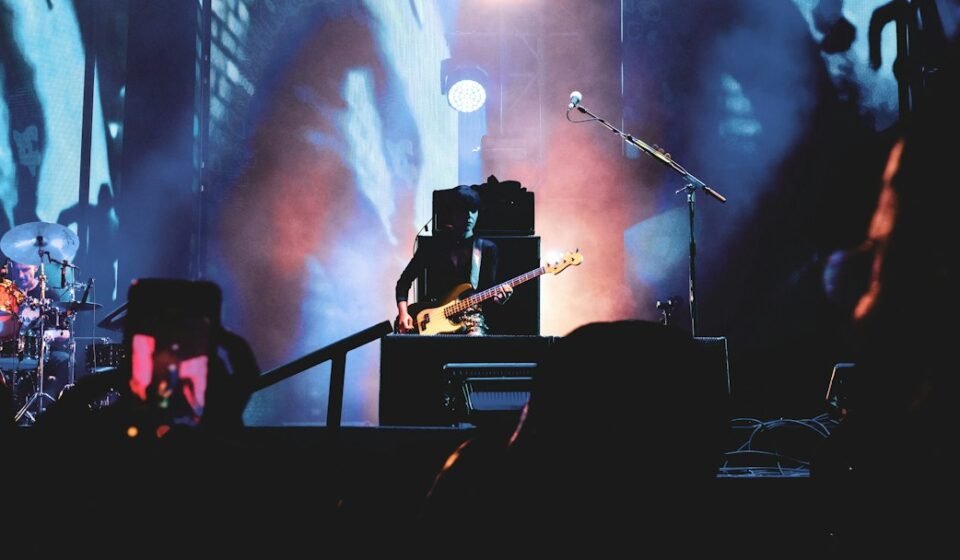
Photo by Maria Diva Roswita on Unsplash