Challenges Faced by Older LGBTQ+ Community: Identity and Isolation
Older LGBTQ+ Individuals: Fading Visibility and Persisting Challenges
Mindy Meleyal, a 75-year-old lesbian, personifies the enduring struggle for recognition faced by many older individuals in the LGBTQ+ community. Despite having witnessed pivotal moments in LGBTQ+ history, from the decriminalization of homosexuality in 1967 to the legalization of same-sex marriage in 2014, she encounters a largely overlooked challenge: societal assumptions linked to age, which often lead people to presume her heterosexual.
A recent report from the Centre for Ageing Better highlights the pressing issues that the older LGBTQ+ population faces, including poorer health, financial restrictions, and social isolation, situations often more severe than those experienced by their non-LGBTQ+ peers. Adding to these challenges, the report suggests, is a distressing trend where older LGBTQ+ individuals might feel the need to hide their identities when receiving care, fearing victimization or homophobia.
Concealing Identities Even at Home
Adam Preston from the LGBT Foundation describes scenarios where individuals feel compelled to cover up aspects of their identity. They hide wedding photographs or remove symbols of pride, an adjustment they make to straightforward care interactions. The notion of having to disguise one’s true self, especially at an age where one might hope for comfort and acceptance, can delay necessary healthcare, intensifying vulnerability.
Innovative Housing Solutions in Manchester
Preston is part of an initiative to combat this issue. Scheduled to open in Manchester, Kindred House is a pioneering project aimed at providing supportive housing for those over 55 in the LGBTQ+ community. This development promises not just housing but also a haven where residents can live authentically. The scheme integrates 80 apartments with access to 24/7 care, fostering an environment of inclusivity through specialized training for staff to address LGBTQ+ concerns.
Combating Ageism and Misunderstandings
Mindy’s personal narratives affirm the difficulty of pairing age and LGBTQ+ identity. Her experiences, including being misidentified in healthcare settings, underscore the pervasive lack of understanding and the assumptions that strip away individualized identity. Such incidents, she asserts, stem not just from ignorance but also from systemic gaps in training, affecting the quality of care and interaction.
Looking Ahead
The reality brought forth by the Centre for Ageing Better echoes a critical need to weave intersectionality of age, sexual orientation, and gender identity into the fabric of social support systems. The journey of older LGBTQ+ individuals is not solely about reclaiming space but also ensuring their stories and identities are acknowledged, validated, and respected.
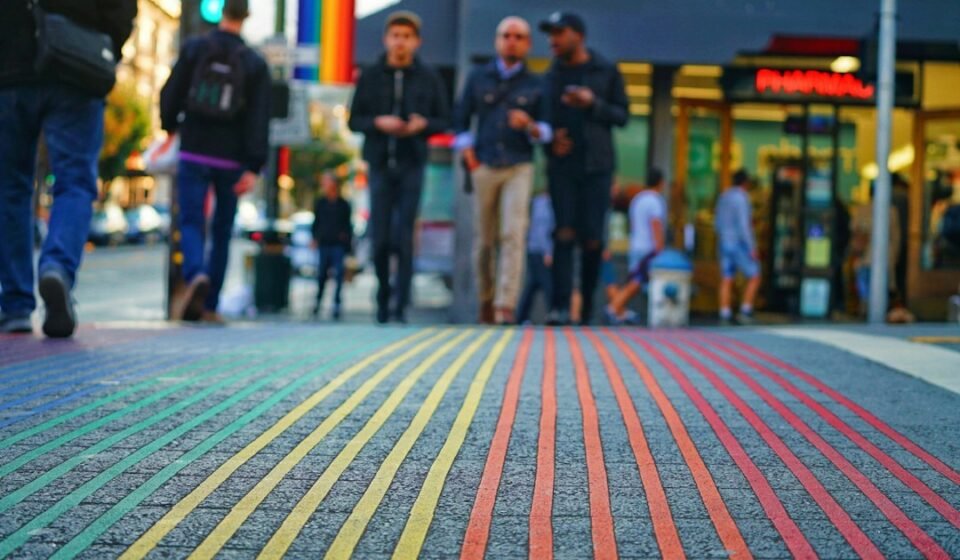
Photo by Max Templeton on Unsplash